Mastering Concrete: Techniques for Superior Structural Integrity Apr 02, 2026
Understanding Concrete Basics
Concrete is a composite material primarily composed of aggregates (sand, gravel, crushed stone), cement, and water. It hardens over time through a chemical reaction called hydration. The challenge is not just mixing these materials but mastering the techniques that ensure the best possible outcomes in terms of strength and durability.
Quality Materials Selection
The foundation of superior structural integrity starts with selecting high-quality materials. Aggregates should be clean and sorted by size, cement should be fresh, and water used should be free from impurities. Using the right proportions is crucial; the wrong mix can lead to weak concrete prone to cracking and erosion. At Cameron Enterprises, we emphasize using premium materials that contribute to the longevity of your concrete structures.
Precision Mixing Techniques
Precision in mixing concrete cannot be overstated. The mixing process should be thorough to ensure even distribution of all components. This uniformity is key to preventing weak spots within the concrete. Automated mixers are often employed by industry professionals to achieve this level of consistency. Calculating the correct water-to-cement ratio is also essential—the right balance will avert issues such as excessive porosity, which can compromise the structure's integrity.
Effective Curing Practices
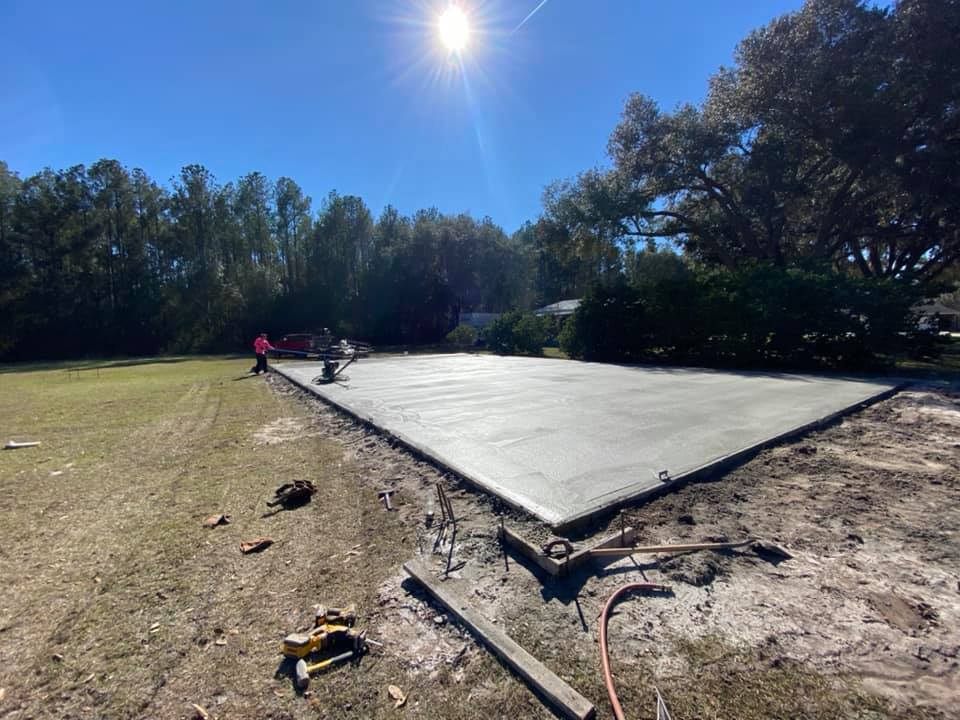
Once poured, concrete requires meticulous curing to reach its full strength. Curing involves maintaining adequate moisture, temperature, and time conditions. It prevents rapid moisture loss, which can cause shrinkage and cracking. Techniques such as covering with wet burlap, using moisture-retaining films, or applying curing compounds are effective. Cameron Enterprises ensures that all concrete installations are cured properly to reinforce their structural soundness and extend their service life.
Reinforcement Strategies
Incorporating reinforcements like steel rebars or fibers can significantly enhance concrete’s tensile strength. Reinforcements distribute stress and supplement the concrete's load-bearing capacity. Proper placement and installation are crucial; misaligned reinforcements can lead to weak points and potential failure. Regular inspection and maintenance further help ensure that the reinforcements continue to perform their role effectively.
Preventive Measures Against Environmental Damage
Environmental factors such as weather, chemicals, and abrasion can erode concrete over time. Applying sealants and protective coatings can shield concrete surfaces from these damaging elements. Selecting the appropriate coatings depends on multiple factors, including the environmental conditions the concrete will face. Cameron Enterprises offers tailored solutions, including advanced sealants, to enhance the resistance of concrete installations against weather and wear.
Monitoring and Maintenance
Even the best-laid concrete can degrade over time without proper maintenance. Regular inspections help identify emerging issues such as cracks or surface spalling. Early detection allows for preventative measures to be taken, thereby avoiding costlier repairs down the line. Cameron Enterprises recommends scheduled maintenance and employs specialized teams to conduct comprehensive evaluations and necessary fixes.
Conclusion
Mastering concrete involves more than just mixing materials. It requires precision, quality products, and a commitment to proven techniques that guarantee strength and durability. By partnering with a trusted provider like Cameron Enterprises, clients gain access to expertise that ensures their concrete structures are not only resilient but also built to withstand the test of time. For all your concrete service needs, focus on experience, quality, and reliability—choose Cameron Enterprises to construct the future, one concrete slab at a time.
/filters:no_upscale()/filters:format(webp)/media/86b3465e-1a66-4b6c-af9f-af6706687756.jpg)